Sunday, January 10, 2016

Game of the Year 2015


2015 ...
What a year, in more ways than I care to elaborate on this blog which is focused on my hobbies. Anyways, 2015 was an incredible year for video games, the current generation finally came into its own in a big way, indie games continued to increase in notoriety and break through to the mainstream. 2015 was one of the very best years in video game history. Video games have never been more diverse, innovative, exciting, and filled with potential as they were this year and looking forward, I'm looking at you VR, don't let me down. Having said all that this was an incredibly difficult list to make this year, tons of great games didn't make my completely arbitrary top ten, their were way more than ten fantastic games this year, incredibly personal experiences like The Beginners Guide and Cibele; exciting and breathtakingly gigantic blockbuster experiences like Rise of the Tomb Raider and Battlefront. If you like video games at all, there was inevitably something incredible out there for you this year. But unto the main attraction, my ordered list of top ten games of 2015, enjoy. 


1. Bloodborne and all the Souls games for that matter, which this game is no doubt a part of in spite of not sharing the variable Souls nomenclature, awoke something inside my video game playing mind I hadn’t realized I was starving for. It felt like a return to the way video games made me feel when I first started playing them, like an epic journey riddled with seemingly insurmountable obstacles that offers a real test of player skill. It also made me think of video games on an infinitesimally small scale the way I never had before, with things such as level design, frames of animation, precise balance, enemy variety and so many more minute details. I’ve never been more terrified in a game than when I was wandering around a brand new area with very little health, I’ve never been more exhilarated in a game than when I defeated a supremely difficult boss, I’ve never thought about a game as much and in such details as I did with Bloodborne and for all those reasons and more it’s by far and away my favorite game of the year.


2. I’ve never laughed as hard playing a game than I had playing Tales from the Borderlands, far and away Telltales best episodic adventure game to date. It manages to turn a universe I could not care less about, filled with characters so obnoxious I played those games on low volume or while listening to something else, into a world brimming with heart and humor. It plays around with editing, pace, writing, camera shots the way an experienced filmmaker would, it’s astonishing the level of understanding this development team had on how to translate cinematic storytelling and specifically comedic storytelling to the medium of video games. Tales even features some shockingly difficult decisions even for a Telltale game, an ending that actually takes every decision you’ve made into account (a disappointingly new concept for decision based games) and some of the best humor and dialogue in any video game. Some of the best character facial expressions of any game, phenomenal musically intros to every episode, Tales from the Borderlands isn’t going to break new ground or cause ripples in the video game industry but it’ll make you smile and laugh till it hurts.


3. The Witcher 3 is the most impressive open world ever developed, full stop. The sheer size and detail alone are staggering but when coupled with the seemingly endless amount of creative quests, characters, enemies, and environments it becomes unrivaled. Witcher 3 is a fully realized world the likes of which most open world games can only look at in awe and hope to be even one quarter as impressive. The combat is challenging and fun to master, the character progression is needlessly complicated but does offer a great level of customization, and it’s filled with stories and characters I won’t soon forget. Witcher 3 is a game most people won’t come anywhere near close to finishing but that’s alright because just spending a few hours wandering around this games world is enough to leave a lasting impression. 


4. Fallout has always been my preferred of the two Bethesda RPGs, and Fallout 4 is more of what I already loved before. A little better looking, a few more systems and mechanics, but fundamentally more of the same. That’s not a slight, unless we’re talking about the persistent and often times immersion breaking if not game breaking technical failures, it’s just what Bethesda does and in this particular case, because of this particular post-apocalyptic setting I don’t mind more of the same, even if it is still the same broken thing. Bethesda’s formula is unrivaled and Fallout 4 may be more of the same but it’s still somehow unique in the larger gaming landscape. In contrast to Witcher 3, Fallout 4 shines most in the random encounters and world exploring aspects, the more designed and written quests tend to fall flat but it’s the world you explore and the character you help define that allows Fallout 4 to stand tall against aging systems and increasingly unforgivable glitches and bugs. Fallout 4 is a the most fun you’ll have exploring a post-apocalyptic wasteland.  


5. Her Story is one of the year’s best games for reasons outside of what it offers as a ‘game’. The interactive elements are slight, and yet it elicits an experience no game has ever achieved. A game that plays out almost entirely outside of the game itself, it’s certainly new ground for a video game. The player has full access to everything from the start and can choose when they are satisfied and walk away. No credits. No achievements. No final cutscene. Her Story also uses FMV to the greatest effect I’ve ever seen, it is 100% essential to the experience and also makes the experience that much more memorable, watching a real actress give it her all in one on one video interviews. Her Story was the most fun I had with a pen and paper all year, taking notes, cross referencing facts, over analyzing every detail in the videos. For its innovation and the obsessive lengths it drove me to, Her Story is one of the best games of the year. 


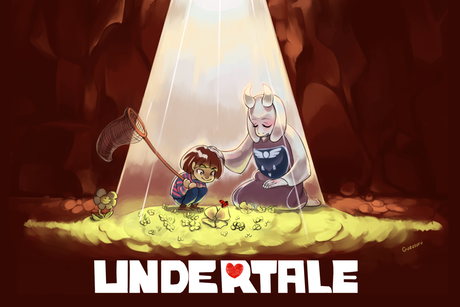
6. Undertale was a huge surprise, from out of nowhere to the highest rated PC game of all time, that’s one hell of a journey. And oddly enough putting aside some of the internet’s unmitigated love for this game it’s actually warranted. Undertale is a fantastically innovative, fourth wall breaking, hyper referential, throwback RPG. It’s funny, which so few games are, it’s clever in its tear down of traditional gameplay systems and mechanics and it doesn’t over stay it’s welcome. At about 5 hours Undertale serves up something new, constantly. It’s almost over too quick, but that’s another great thing about the game. You can play it again and again, and it remembers everything you do, every time you play. Want to do two different kinds of playthroughs, too bad, Undertale remembers and chastises you for changing your ways and not just once the entire game changes based on even the smallest choices you make on whichever playthrough. Undertale more than deserves the attention it got, if nothing else it serves as a good satire of video games and shows referential humor can work when done well.  


7. Life is Strange takes a while to warm up to, it feels a little too forced in the ‘authentic’ teen dialogue department but those feelings quickly dissipate when you realize the games storytelling ambitions and how well it’s pulling them off. Life is Strange is grounded in a way most games are not, its interested in the minutia of teen life. The complicated and often contradictory relationships, aspirations, emotions, etc. and while it goes for the obvious clichés a few too many times it still manages to both traverse well-worn territory in compelling ways and boldly navigates new territory not often trekked in games. Life is Strange is nothing new from a gameplay perspective but it’s the story and characters that will make the best impression, oftentimes stereotypical characters will hide deeper nuances and trite story beats are given interesting spins. In a medium filled with science fiction, fantasy, and post-apocalyptic heroes and saviors, Life is Strange is an engrossing story about relatable every day characters that tackles heavy and complicated issues thoughtfully and deftly and that is something video games would be smart to embrace if the medium is ever to mature and earn more respectability. 


8. Assassin’s Creed Syndicate is everything Assassin’s Creed should have always been. It’s a perfect mix of strong setting, characters, and gameplay. Jacob and Evie Frye are a fantastic duo and make for a good story justification for two types of playstyles, Evie’s stealthier approach versus Jacob’s bombastic proclivities providing a nice balance to missions and even story beats. Syndicate brings back meaningful assassinations, with more than a couple of inspirations from the Hitman franchise, Syndicate has the series best assassination missions and even manages to improve on the stale side content most Ubisoft games have suffered from for too many years now. Most everything is fun to do, and boy is there stuff to do. Assassin’s Creed Syndicate is the best AC game yet, it took a flailing franchise and made me excited to play the next one. Now lets hope it isn’t a mediocre entry that burns all the good will it just earned back. 
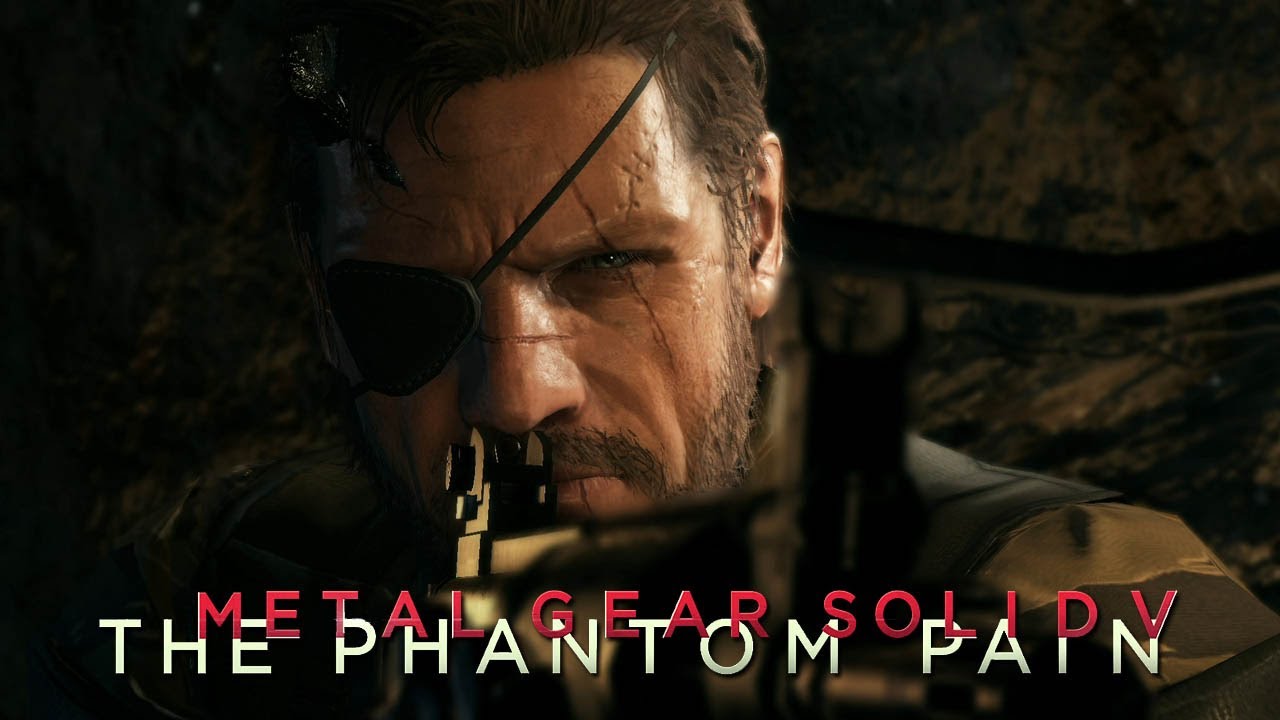


9. Metal Gear is one of my favorite game franchises of all time. This my most disappointing game of the year. So why is it on my top ten list, well simple, because it’s so goddamn fun to play. Seriously, this is what Metal Gear has always wanted to be ever since it was released on the MSX it wanted to be a fully open, play how you want, style and substance hand in hand. It only took this many games to finally reach it, and it’s beautiful. The attention to detail to systems is incredible, the number of ways you can interact with the world is mind boggling. Even things most people won’t engage with very much have a striking amount of detail given to them. And yet the story is the weakest in the series, the game overall feels quite obviously unfinished and its mission design is quite repetitive. It feels incomplete, lacking, unsatisfying. It’s a shame really because the amount of time spent clearly went into one impressive open world with a staggering amount of toys to play with, it’s just not a very structured, cohesive experience and lacks director Hideo Kojimas trademark crazy ambitious story which is what I always came for Metal Gear for anyways. 


10. Batman Arkham Knight is a fantastic conclusion to one of the best licensed video game series of all time. While I didn’t enjoy the games focus on the batmobile the rest of the game came together in such a gratifying full circle way that it made me okay with the fact that this may be the last one of these games from Rocksteady. This is also a series I believe got better with each subsequent entry and Arkham Knight sort of fulfilled a lot of the promise of the very first game. All of that is to say nothing of the games stunning graphical fidelity and fine-tuned combat, stealth and traversal. Arkham Knight ran into some bad press with a broken PC version that never got fully resolved and a horrendously overpriced and underplanned season pass, but don't let any of that cloud the fact that this is a fantastic game in its own right and a great send off to such a surprisingly strong series.
Tuesday, October 6, 2015

A Reflection on - The Beginner's Guide


The Beginner’s Guide is the next game from Davey Wreden whose previous work, The Stanley Parable, took the internet by storm and swept critics off their feet. The games clever deconstruction of video game design in every form was both hilarious and insightful. An amazing game, of that there is no doubt. The Beginner’s Guide takes a similar approach in that it is a first-person narrative game with voice-of-god style narration but apart from that the two games could not be more dissimilar.

The nature of The Beginner's Guide is, purposefully I would imagine, ambiguous. As layers of it reveal itself your perspective is going to change, made all the more confusing when the game leans heavily on that very concept, of perspective I mean. But that confusion is not meant as derisive commentary, not in the slightest. I loved this game, I’m just not entirely sure how to feel about it, but I love that it made me think like no other game has.

The Beginner’s Guide offers a fascinating examination into artistry, more specifically into the mind of an artistic person. It delves into why art resonates with those who experience it, why is art so precious to humanity to our culture and to society. What do we glean from it and why do we keep coming back. Some people only appreciate it at its most basic, a song is catchy, a book is entertaining, and a game is fun to play. But others find something else. They find connection, either to the world or to the creators themselves, whom they've never meet but feel they know due to what they've taken away from the creation. This is something The Beginner’s Guide begins to examine, it makes no attempt to say it’s going to even approach a satisfactory answer because, quite frankly, it doesn’t. In fact the game switches gears just as it begins to dwell on these ideas though that’s all I’m comfortable revealing since it’s an experience best had unencumbered.

Playing the game was on its surface enjoyable but it was also unnerving, eerie even. As I stated above I’m not entirely sure how to feel about this game. I’m not sure how much is fictional or deeply personal and possibly even uncomfortably invasive. I’m bursting with questions, I’m dying to know the truth, and I likely never will. That doesn’t mean The Beginner’s Guide is anything but an amazing experience.

I reluctantly admit that this game made me very emotional. As the game goes on the developers audio commentary goes from insightful to meditative and I felt like the game was speaking truths so deeply rooted in every person it was like speaking to a therapist, it gets at a part of you only deep introspection and potentially professional help can reach.

The word auteur is liberally tossed around when, in most cases it’s never appropriate. For one, most artists working today have hordes of collaborators. Be it films, singers, even literary authors at some point receive input from an outside source. I’m not criticizing, it’s a point of fact. Video games are like one of the last bastions, at least in popular media, where an auteur can really shine. Not big budget games, they’re aimed at making money and have hundreds of incredibly talented people working on them. But the growing ease and accessibility of game development it is making it possible for would be artists to make something of their own. More and more single credit games are making it to consoles, getting heaps of praise and winning awards.

The Beginner’s Guide feels like a response to this fact. In every way that it can be a response. A response to the difficulty of creativity, the potential burden that comes with creating something and having people view it, judge it. It’s also a response to people’s experiences of playing something created by somebody else. The game speaks to so many points about those who create, those who choose to engage with those creations and even that very creation itself. The game makes no promises that it’s here to be enjoyed like its creators last game or even be fully understood. But regardless it’s saying something that could not be more appropriate right now in the video game landscape. Hell, it's relevant to our current social media obsessed society. A society that yearns for connection but is hindered through glass and ones and zeros. It's relevant to everyone who yearns for connection, possibly attention, or even validation, from others or internal. 

The Beginner’s Guide marks another remarkable game this year to completely break the mold of what a video game is or can be.

Make no mistake video games are art. 

Wednesday, September 30, 2015

What I've Been Playing

I've always flirted with the Souls series, unfortunately for me the Souls series was not reciprocating my advances, joyfully laughing in my face as it's infamous difficulty left me reeling. But I'm nothing if not persistent. And by god I finally cracked the code. I've been enjoying the series more than I ever thought possible and have become a huge fan and advocate for newbies along the way. Scholar of the First Sin is an HD remaster of sorts except unsatisfied with a simple up-res and frame rate bump, Scholar of the First Sin rebalances the entire game changing around enemy placement, increasing the difficulty of various enemies and bosses and even mixing up item placements to make things more difficult, both for returning players who thought the game was too easy and as a fitting introduction for those new to the series and eager to experience the games notorious difficulty.

At the time of its release Dark Souls II got a lot of flak for being easier than it's predecessors and for generally poor level and boss design. A lot of this was attributed to the replacement of the series original director, who has since been reinstated as director for every game since. Scholar of the First Sin does its best to address a lot of peoples criticisms and for the most part succeeds. Unfortunately a lot of the games problems require a complete overhaul, but for what was changed it has drastically improved on the game, at least to my memories. Bosses are still the worst in the series, outside of a select few most bosses can be beaten with the exact same tactic, staying very close, strafing around to doge attacks, when you see an opening, strike two or three times, rinse and repeat. It's the most disappointing aspect of the game, made worse by the games legacy of ridiculously difficult and inventive bosses.

But in all other ways Scholar of the First Sin succeeds brilliantly, the rebalance makes things harder early on but it serves to train you for how quickly the game becomes even more difficult. The games runs perfectly smooth with zero slowdown or hitches of any kind, important in a series where timing and person can cost or win you a fight. Add in all the fantastic DLC, which improved on some of the criticism post launch, and you have another worthy entry into this grueling and surprisingly popular series.
~~~~~~~~~~~~~~~~~~~~~~~~~~~~~~~~~~~~~~~~~~~~~~~~~~~~~~~~~~~~~~

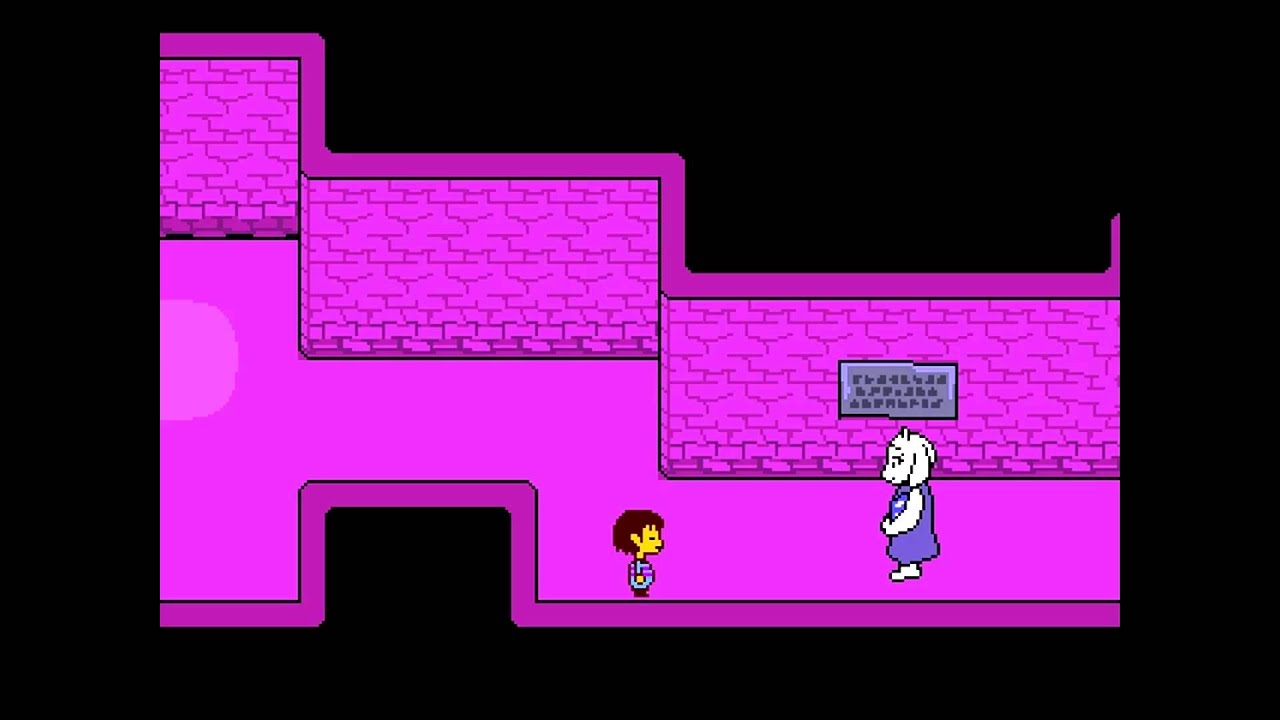
Holy crap, Undertale is why I love what has happened with video games these past few years. Here is one of the most unique, mind-blowingly innovative, hilariously written, games of the entire year and it came out of nowhere, no fanfare or announcement it just sorta popped up on Steam and took everyone by surprise. Undertale is an RPG modeled after classic NES games of the genre, more specifically Earthbound. Except Undertale is deceptively simple, brimming with minute details and depth it will take years for players to discover everything this game has hidden. 

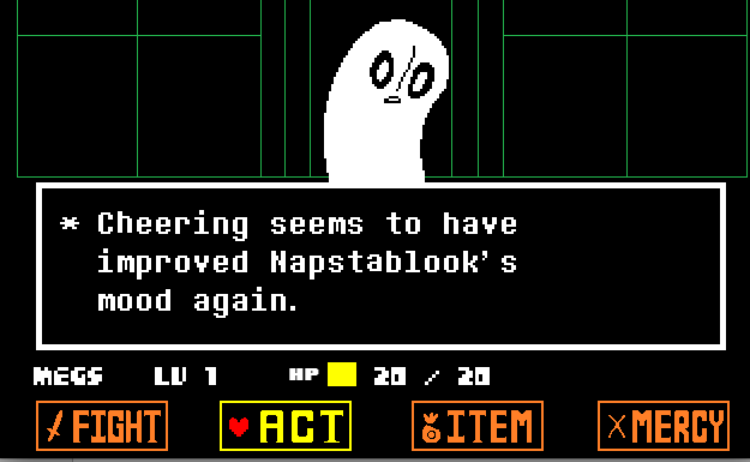
What makes Undertale unique and it's sort of a spoiler or at least I would suggest if you're at all interest in this game from my beaming introduction just go play it and discover the magic on your own. But what makes Undertale unique is that it's an RPG with random encounters, items, leveling, all the things you would expect, except you can complete the game without killing a single enemy, without leveling up once. It works like this, when you encounter and enemy you enter a battle mode, as you would expect, but there is one option on the battle screen labeled 'TALK', hit it and you'll be given a few options, and they are not what you'd expect. Maybe you'd like to 'Flirt' with the 'Curvaceous Beetle' or 'Bully' the 'Ghost with Low Self-Esteem', what results is not only funny but down right devious as you try to avoid enemy attacks all the while trying to talk an enemy down enough to 'Spare' them. 

But it doesn't stop there, enemies will still attempt to attack you while you "Whisper Sweet Nothings' into their ear or 'Insult' their mother. And when they do Undertale reveals another innovation, instead of an unavoidable attack your heart is displayed on the screen and using the arrow keys you can control it's movement. Enemies will throw various things at your heart and it's your job to navigate the minefield of obstacles to avoid taking damage. It's almost like a small mini-game within the battle system. 

And that's just the combat, or lack thereof. The game has adventure elements as you need to navigate dialogue options, find items, and diligently explore to progress. Again I don't want to delve too deep into what makes Undertale such an incredible game suffice to say it's a game that offers an experience unlike any other and it's well worth trying out yourself.
~~~~~~~~~~~~~~~~~~~~~~~~~~~~~~~~~~~~~~~~~~~~~~~~~~~~~~~~~~~~~~~~

SOMA is a survival horror game from the developers of Amnesia: The Dark Descent, one of the most notorious pants shittingly terrifying games of the past several years. SOMA sees the developers delves deeper into some of the less obviously horrifying aspects of typical games in the horror genre. Focusing a lot more on story SOMA relishes in quite a bit of psychological horror, it finds horror in philosophical queries many of which are quite commonly asked in today's world. Unlike Amensia the game is enjoyable to play and look at and the better pacing of the straight forward monster horror moments make for an overall more enjoyable experience.

First and foremost SOMA is a first person exploration and puzzle game with more in common with Gone Home and Everybody's Gone to the Rapture than say Slender: The Arrival or even the developers previous game. There are plenty of monster to run and hide from eager to scare you as traverse a seemingly abandoned science facility deep underwater but the game smartly focuses on the mystery of where you are and what happened and it's in that that SOMA elevates itself to a great game and not just a gimmicky horror experience.

~~~~~~~~~~~~~~~~~~~~~~~~~~~~~~~~~~~~~~~~~~~~~~~~~~~~~~~~~~~~~~~~~~~~~~~~

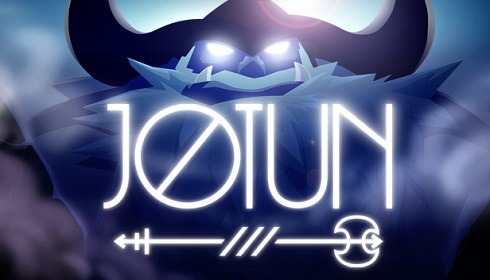
Jotun is a gorgeous trek through Norse mythology but it's overall lack of gameplay polish and precision leave a lot to be desired. The easiest comparison is top-down Dark Souls, with an emphasis on large and extremely powerful enemies Jotun is a simplified version of the aforementioned series. The art is the reason to check this game out, all hand drawn it's some of the best art in a game this year. Wandering around the varied environments and encountering wonderfully designed new enemies is where most of my enjoyment came from, cause once the game demanded any amount of skill the games sluggish pace and clumsy mechanics make it more frustrating than enjoyably challenging.
~~~~~~~~~~~~~~~~~~~~~~~~~~~~~~~~~~~~~~~~~~~~~~~~~~~~~~~~~~~~

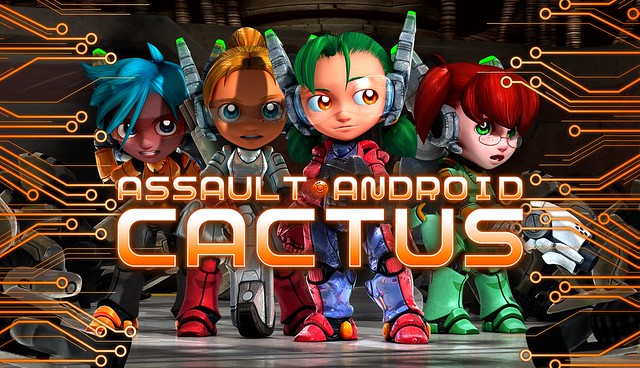
Assault Android Cactus besides having an awesome name is a fantastically fluid and well made dual-joystick shooter. Geometry Wars is the latest comparison but games like these go all the way back to Robotron: 2084. It's a bit on the short side, but apart from that this game is flawless. Wonderfully fast, fluid, and fun. I don't have much to say about this game other than it's probably one of the best games in the genres since the seminal Geometry Wars and deserves more positive buzz, figured I'd do my part. This game is fun, check it out. 

Wednesday, August 19, 2015

The Talos Principle Review


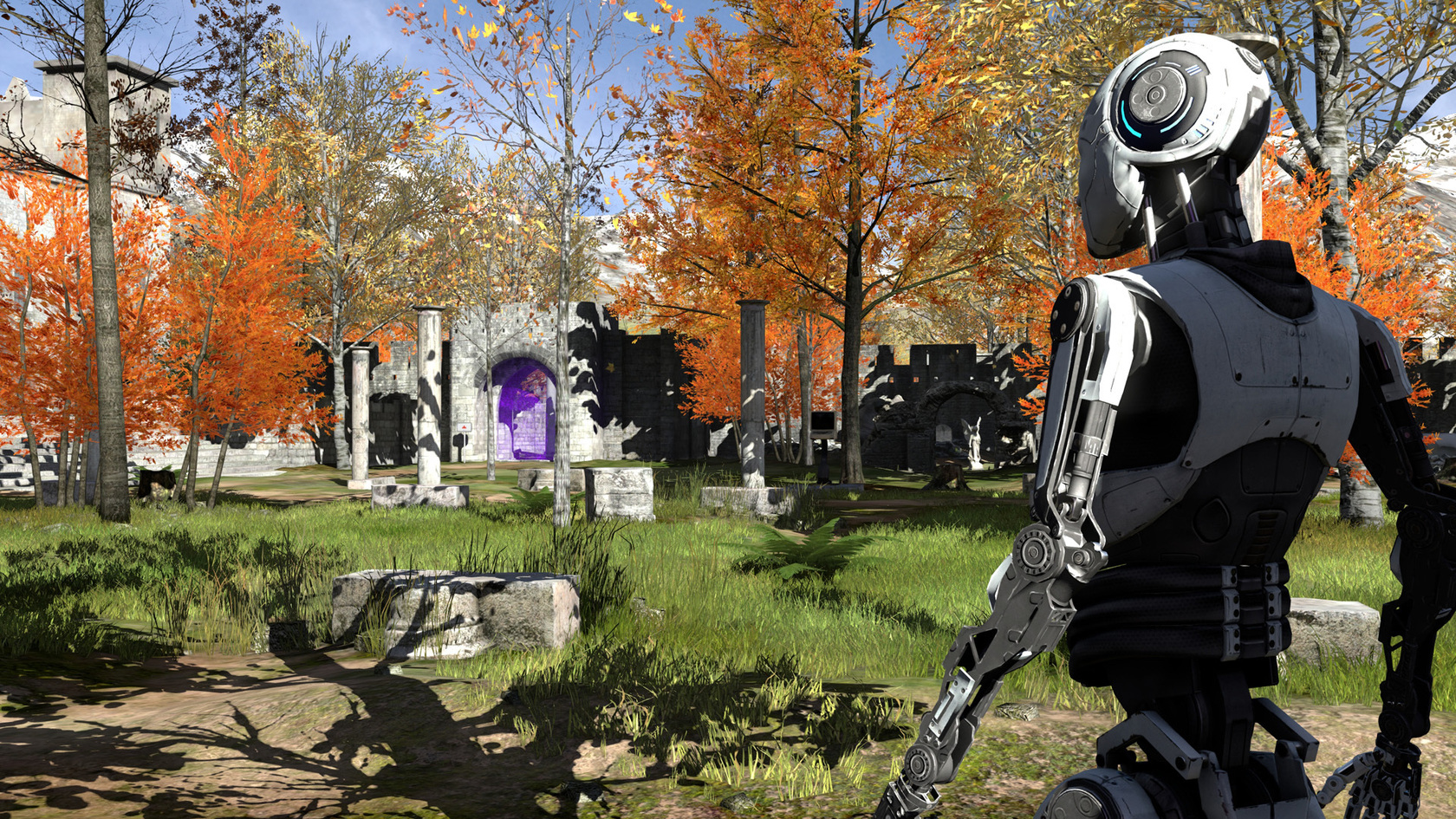
The Talos Principle is a puzzle game similar to Portal wherein you have to solve rooms of increasingly challenging logic puzzles. What differentiates The Talos Principle is the layer of existential themes about the nature of reality and what it means to be human. Didn't expect that, did you?

Gameplay wise The Talos Principle is quite simple, small rooms are cordoned off each with a challenge to solve within. Your reward is a puzzle piece that when combined with other pieces allow you to access other areas of the game with even more puzzle rooms. The overall objective becomes clearer as you progress but it does start with being an agent of God. Where it goes from there is quite mind blowing and ultimately up to you to discover. Every once in a while as you progress through the game you'll hear the voice of God as he encourages you and seeks to commune with you once you've satisfied the specific number of puzzle piece requirements (don't ask). He only asks one thing, do not enter the mysterious tower in the center of the world. The only other piece of the narrative is relayed through computer terminals in each new area, each one has notes you can read and eventually an unknown entity begins to speak with you through these terminals allowing you to respond as you see fit.
The Talos Principle is a weird game. On the one hand it's a fairly straightforward and enjoyable enough puzzle platformer akin to Portal. On the other it's this interaction with a few different figures, all of whom have very different views on the world. It's these interactions, be it with God or the voice in the machine, that elevate this game beyond a simple puzzle game. They are genuinely brilliant interactions that force you to question things about your life, it psychoanalyzes you and argues with you on questions such as faith, purpose, humanity, human nature, etc. These are lofty and impossible questions and that's what makes those interactions so fun.
The Talos Principle is an exceedingly clever puzzle game that is plenty fun on it's own but the philosophical questions it poses push it over the edge. The way it forces you to meditate on some of the harder questions about the reality of our existence and human nature are very lofty for a video game. The two things don't meld well at all and really the puzzle aspects feel like something to do while the game poses these big questions. The Talos Principle never melds together it's to diametrically opposed pieces and feels like two distinct game, but it's still two very entertaining pieces regardless of whether they fit together or not.
(4 out of 5)

Cradle Review


Originality is difficult, it's easy to fall into cliched tropes because they're reliable. There's a reason they are cliched, they've been used time and time again, sometimes even to great effect. It's also difficult because seemingly everything has been done before, or at the very least you can trace anything back to a familiar idea.

That long introduction is necessary for a game like Cradle which on it's surface seems very familiar
but quickly reveals itself to be something quite special and has a story and a world that has stuck with me long after I completed it. Cradle starts with the biggest trope of all, amnesia. You have no idea who you are or where you are. I hate this trope. And yet Cradle uses it to great effect, it's a way to introduce the player to this bizarre world, a way to make everything seems alien, and to make discovery that much more rewarding.
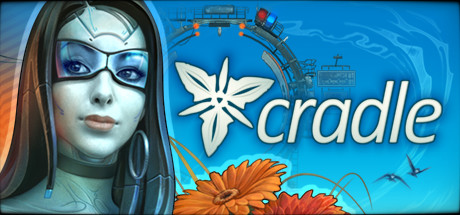
I want to focus on the world of Cradle which I found to be one of the most intricately detailed and fully realized I've ever seen. Questions start spinning around your head as soon as the game starts and the most satisfying thing about the game is that everything is explained. That is, if you have the patience to sift through everything in the game world to learn everything. It helps that Cradle's world is fascinating and I was eager to learn more but if you don't have the patience to read every little thing in the environment a lot of the appeal of this game will be lost on you. The game boils down to an adventure game as you find items and solve small puzzles. But it's the intriguing world and the thousands of questions you'll find yourself having that keeps you engaged. Who is this robotic woman sitting on your workbench? What are these numbers displayed on certain things? What happened to the world? Where is everybody? Who am I?
If it wasn't for such a fascinating world the games questions would be less interesting to pursue but I'm happy to say the games mystery's are compelling and so are the answers. The games tone also helps create an atmosphere of increasing dread as the truths of this world are revealed. Finding the items you need to progress can be really unintuitive as you desperately search for a single small items in a large incredibly cluttered room. Even distinguishing between what is a texture on the ground and what is a legible item that will help flesh out the world can be difficult. Their is also an uninteresting puzzle mechanic that repeats a few times and feels like padding and also tonally disparate with the rest of the game. It's the one real criticism I have with the game are these odd challenge puzzle room sections.
Cradle is a game I want to envelop myself in, I want to read books set in this world, play sequels tot his game, just spend hours examining everything I can about this wonderfully realized world. It's a shame then that some of that lore is needlessly obscure and these out of place puzzle rooms spoil an otherwise fantastic exploratory adventure game.

(4 out of 5)

Her Story Review

Her Story puts a spin on every aspect of itself. It's a video game were you don't play a central role in the story. It's crime fiction in which the events have long since taken place. Its interactivity is limited to navigating an old PC with ancient and half broken programs. It's a game that requires extensive note taking outside the game to follow along and solve the mystery. It's a game without an ending, you simply decide when your satisfied and walk away. And finally the entire story is told through live action video clips with a single actress. Her Story is wholly unique, that term gets used far too often when it's entirely untrue, it's entirely true in this case and it makes Her Story a fascinating and potentially frustrating experience that anyone who loves games should try.
You spend the entire game sifting through video clips and taking notes (in the real world) trying to piece together the story. The program you are using searches a database of these clips through keywords. Any word uttered by the woman in the clips can be searched, searching for the word 'was' is going to turn up tons of videos and be pretty useless. But the name of a month, a person she mentions, a particular item these sorts of clues may lead to clips that start putting the story together for you. The note taking you'll undoubtedly do is to keep track of characters, dates, and things that seem suspicious or contradict you'll want to search later. And that's it, that's all you do. You type in your searches and then you watch the video clips. But it's this sense of really putting this story together that is so engaging. With zero help or hints you have to put together the story and decide where to focus your interests, it feels like being an actual investigator. The game begins to elevate beyond the computer screen and a meta-game of sorts start playing out within yourself, are you following the right clues, are you being lied to, how can you factual prove any of the things that are being said. When you are three pages of notes in and your frantically flipping through them trying to link things together and replaying the same video clip trying to read the actress facial expressions and body language for any sort of clue that is when you realize you're playing something that likes of which has never been done before. And it's awesome!
But it's not entirely positive, since there's no help whatsoever you may hit a wall several times or simply end up going in circles missing some key piece of information that will help you reach some understanding or at least point you into a new line of thinking. The issue with criticizing this aspect of the game is that it's not the games fault, it's your own. You, the player, has not put the pieces together, you are the ineffective investigator. You feel like you've failed but you put the blame on the game when it's all your fault. In that way the game can be frustrating but I feel like it's part of the experience and unless you give up it's just a hurdle that once finally crossed is immensely rewarding.
Her Story is a difficult game to talk about, their isn't much to it and any enjoyment stems entirely from personal experience and the story so any real breakdown of the game results in spoilers of the story or just of the potential experience. Suffice to say I adored this game and I wish more experimental games like this existed. You can easily get lost in the experience of Her Story, the game is a catalyst for the experience you will have, how obsessive, frustrated, satisfied you'll be. Her Story feel impossible to review, it's the most subjective experience you'll have with a game since how much you get out of it is entirely based on you.
(Just Play It)

Everybody's Gone to the Rapture Review

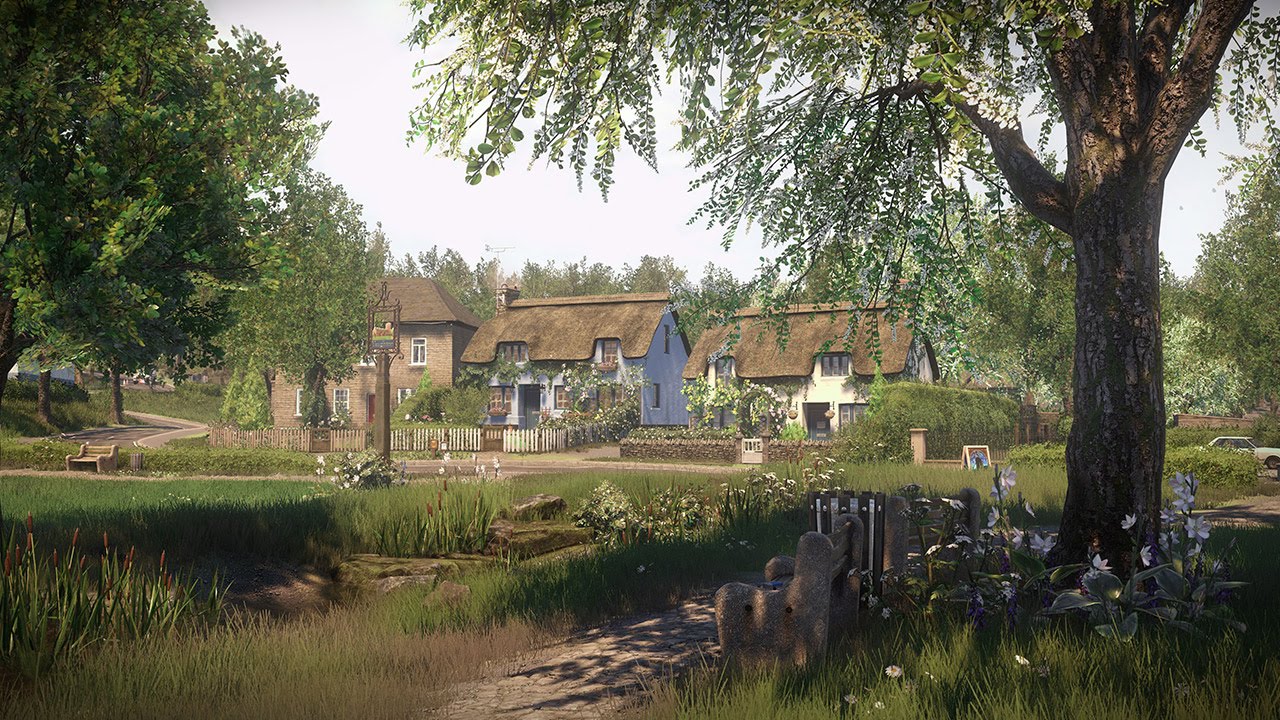
Everybody's Gone to the Rapture is a profoundly sad game and that's not necessarily a bad thing in fact it's that aspect of the game that saves it. Because while the central mystery of why or even how everybody has disappeared in this sleepy little English village is the driving force of the story it quickly falls to the wayside when you catch glimpses or more accurately echoes of the lives people had in this town. The game is what has become known, facetiously, as a walking simulator. Basically it means that your interactions with the world are limited, in this games case it's limited simply to opening doors, turning on lights, and listening to radios and telephones with messages on them.
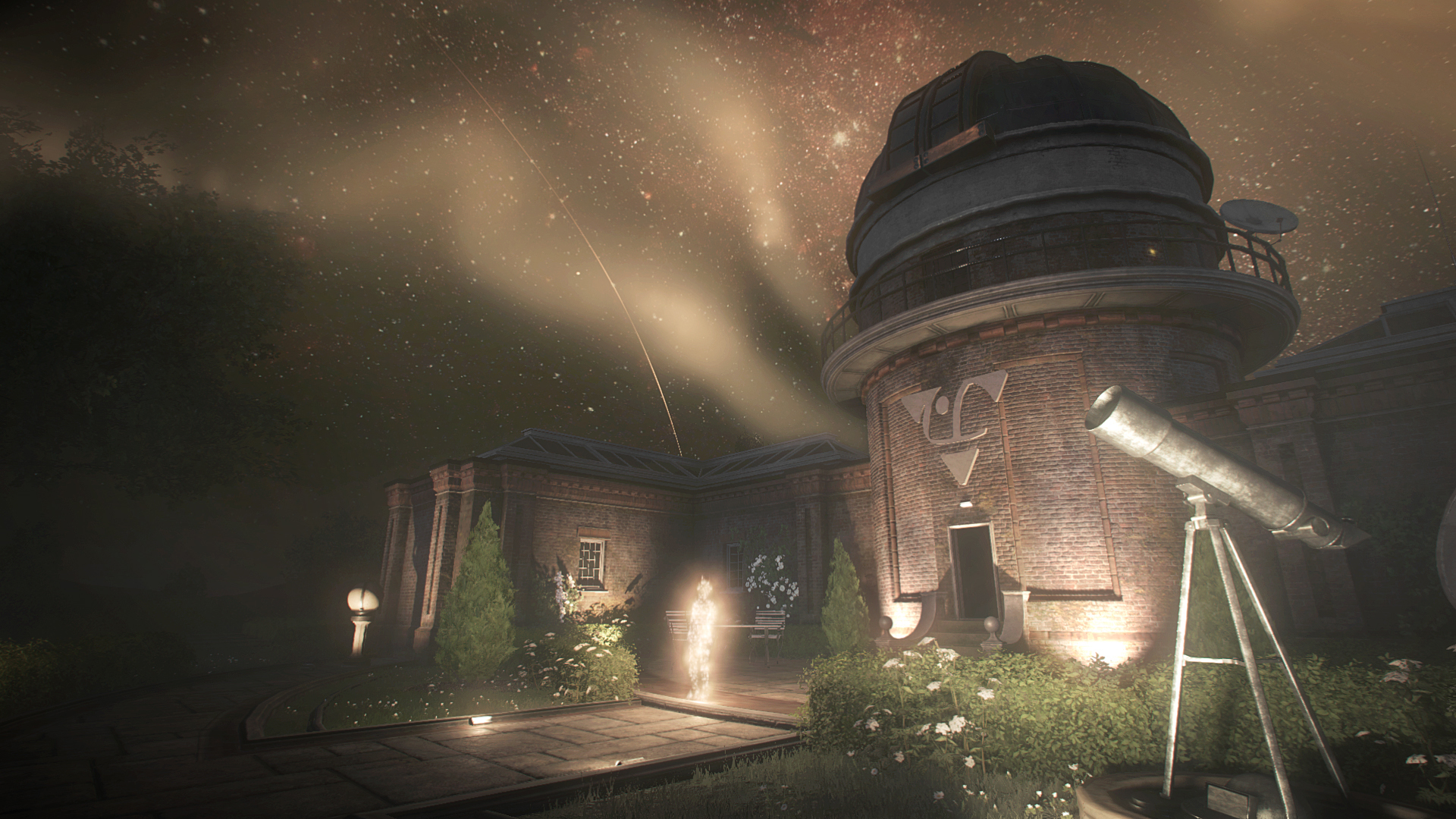
The games story is told through mysterious balls of light that wander around certain areas of the village leading you to points of interest. Once you get close enough silhouettes of light appear depicting moments in the lives of the people who lived in this town. These scenes and the stories they tell are the real strength of the game, phenomenally well voice acted and written, these people and their interactions feel real and relatable. Each area of the game, there are 6 in total, you follow a specific character; they may drift in and out of other characters stories but each area tends to focus on one character and their final days in the village.
The thing that ties all these little scenes and characters together is the focus on relationships. Not just of a romantic nature but familial, friendships, or even with god. I guarantee at least one of the characters or one of the relationships depicted will strike a chord with anybody who plays this game. And these are complicated stories, their isn't the happy one, or the tragic one, they are all messy. Everybody shares the same moments of sadness, regret, hope, fear, joy. This game was an amazing experience, one of great joy and at the same time, sad reflection because it forces you to think about similar moments in your life.
The truly wonderful thing about Everybody's Gone to the Rapture is that these are topics video games don't ever delve into and it's a game like this that reminds me why I love this medium so much. It's the only interactive storytelling medium and that is such a powerful device that it's astounding more games don't take advantage of it. But that's a topic for another post. Everybody's Gone to the Rapture is not what I was expecting, it sets up a big mystery about a potential Rapture that; minor spoilers: is quite dissatisfying. But instead serves up this incredibly poignant interweaving story of people and their relationships. I loved every second of Everybody's Gone to the Rapture but not for any of the reasons I thought I might.
(5 out of 5)